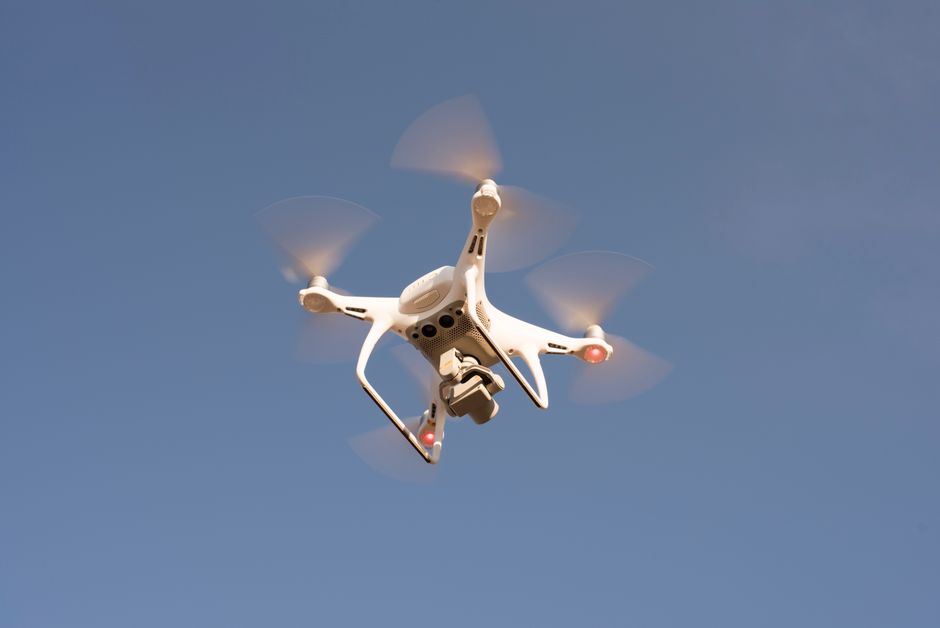
Imagine monitoring a vast rainforest, tracking wildlife, or checking remote water sources, all without stepping foot on the ground. Surveillance drones have made this possible, turning once difficult or risky environmental tasks into efficient, data-rich operations. As demand for smarter, faster, and safer inspections grows, unmanned aerial vehicles (UAVs) are reshaping how professionals approach environmental work.
The real advantages of aerial data collection
Surveillance drones excel at gathering accurate, high-resolution data across large or hard-to-reach areas. Researchers and conservation teams increasingly rely on drones used for environmental monitoring to get updated imagery of forests, wetlands, or coastlines. Compared to manual surveys, drones collect more frequent and detailed information, enabling earlier detection of problems like deforestation, illegal dumping, or changes in biodiversity. This swift data capture supports rapid response and better-informed decisions.
UAVs versus traditional drones: what’s the difference?
There’s often confusion around the terms “drone” and “UAV.” Technically, all UAVs are drones, but not all drones meet the requirements for advanced environmental work. UAVs designed for research typically offer extended flight times, advanced sensors, and robust automation. These features allow them to cover more ground and collect high-quality data even in tough weather or inaccessible environments. Choosing between a basic commercial drone and a specialised UAV depends on the scale and complexity of the monitoring needed.
Expanding roles: inspections and security applications
Beyond simple observation, surveillance drones are now critical for utility and infrastructure inspections in natural settings. For example, drone utility inspection can check solar farms, wind turbines, or pipelines cutting through forest or desert without disturbing wildlife or requiring risky climbs. Drones equipped with thermal sensors quickly spot leaks, overheating, or damage, helping operators prioritise immediate repairs and minimise environmental harm. On top of that, drone security patrols can deter illegal logging or poaching by providing a real-time aerial presence in vulnerable areas.
Challenges and considerations for effective use
Deploying surveillance drones for environmental monitoring isn’t without hurdles. Legal regulations, flight restrictions, and privacy concerns shape how and where drones can be used. Operating in protected habitats may require special permits, and weather conditions often dictate flight schedules. Battery life and payload weight also impact the maximum area covered per flight. Teams must balance these factors to build an effective drone programme and achieve consistent results from their equipment.
Where to learn more about drone-based monitoring
If you’re interested in starting a project or upgrading your current approach, look for resources that compare drone models, sensor options, and case studies in your field. Guides that dive into practical aspects of deploying and scaling drones for environmental work can help you choose the right technology for your situation. Consider exploring detailed overviews of regulations and best practices to ensure your drone operations are both effective and compliant.